Monday 27 July
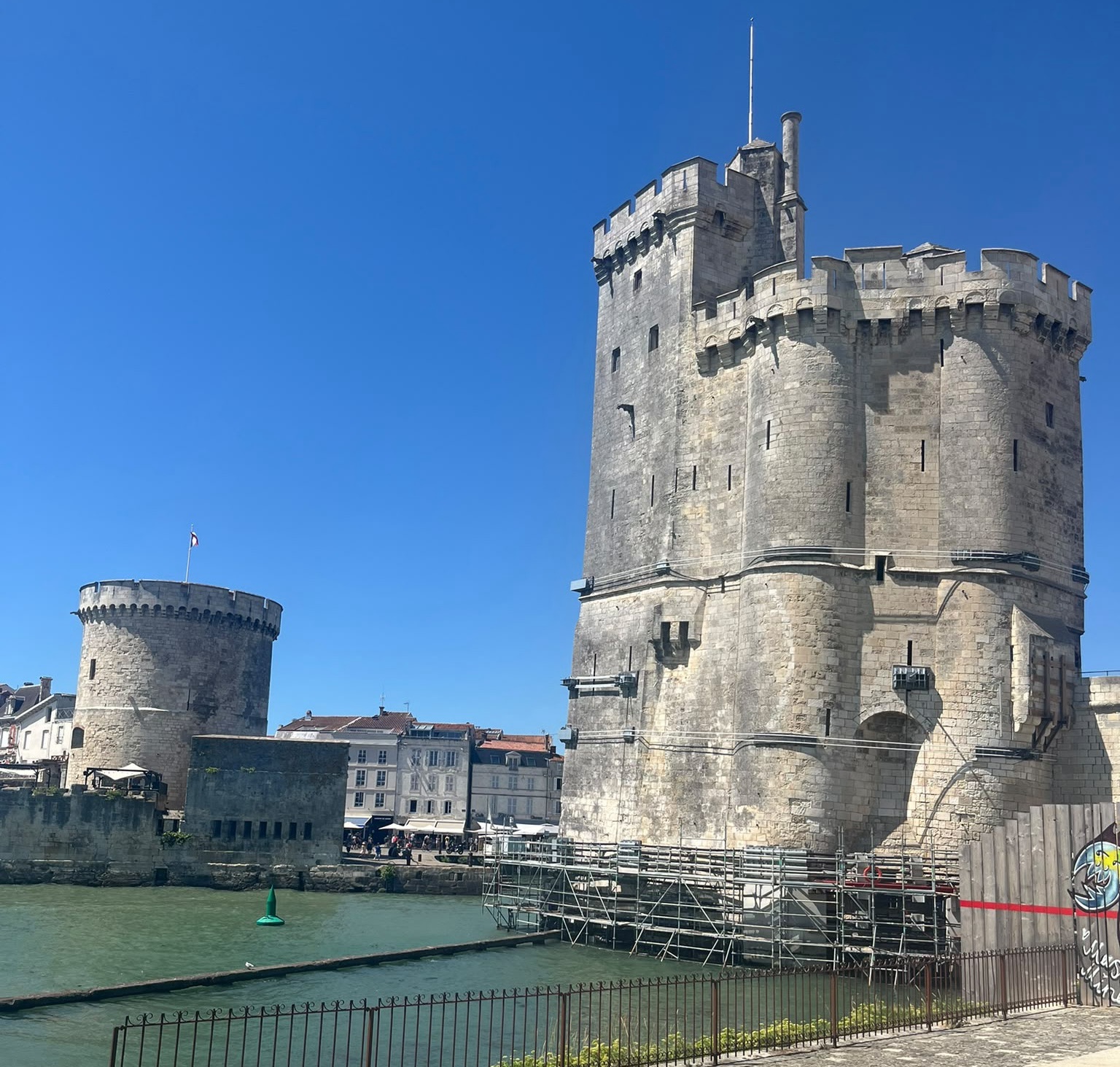
Today we are staying put in La Rochelle to see the town and provision for our next overnight leg.
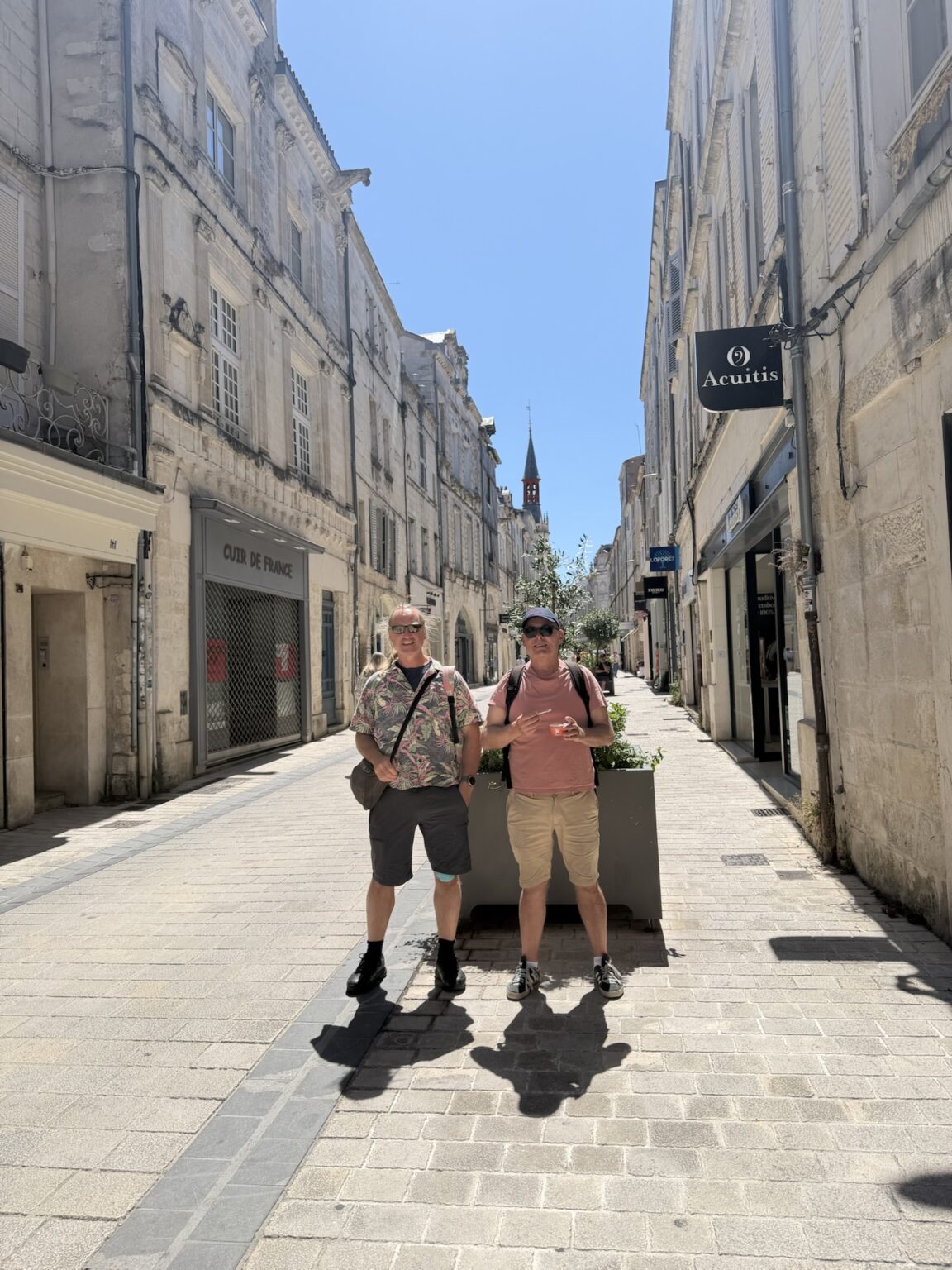
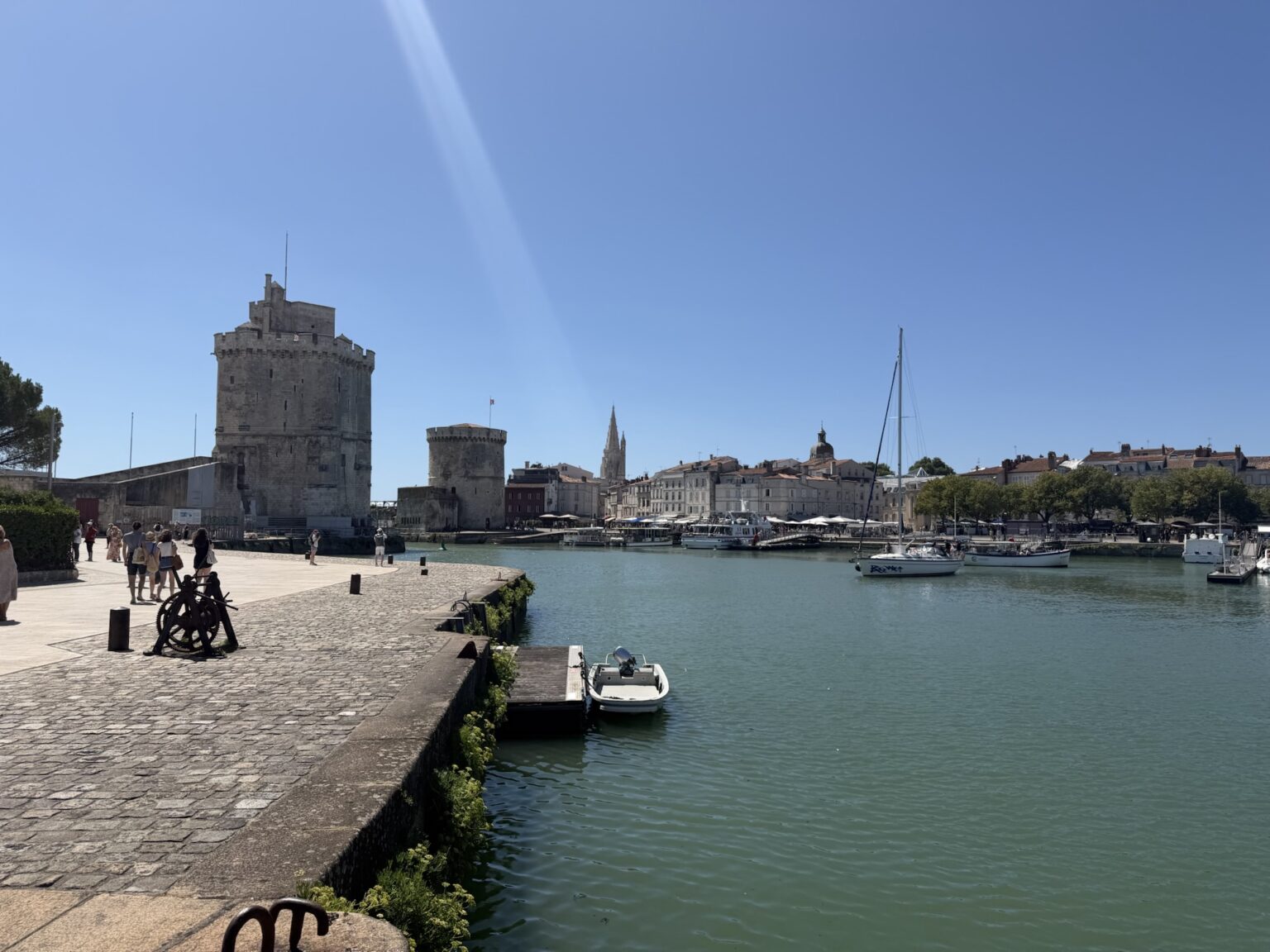
La Rochelle has been a major trading hub since Roman times enjoying its central position on France’s Atlantic coast.
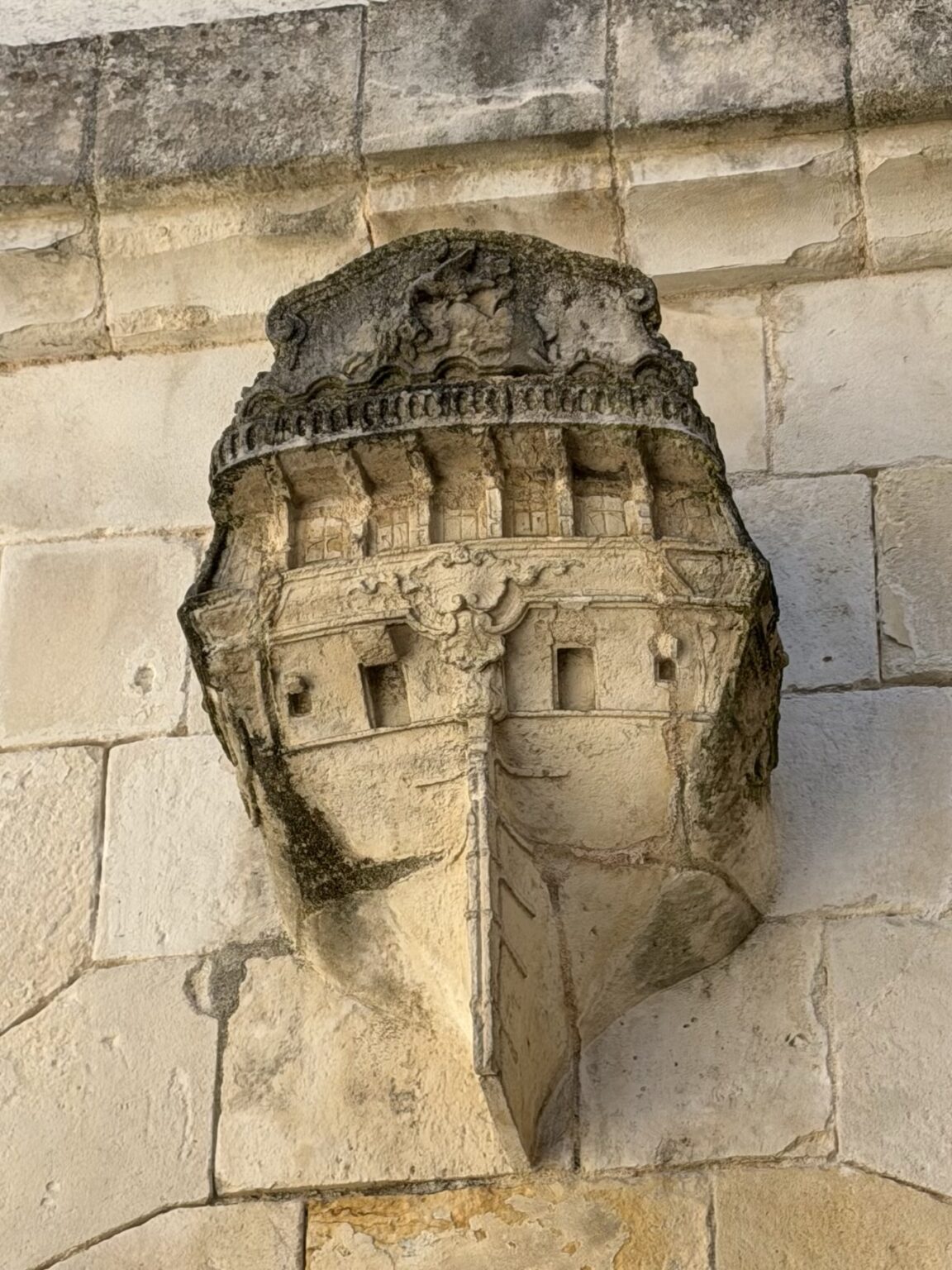
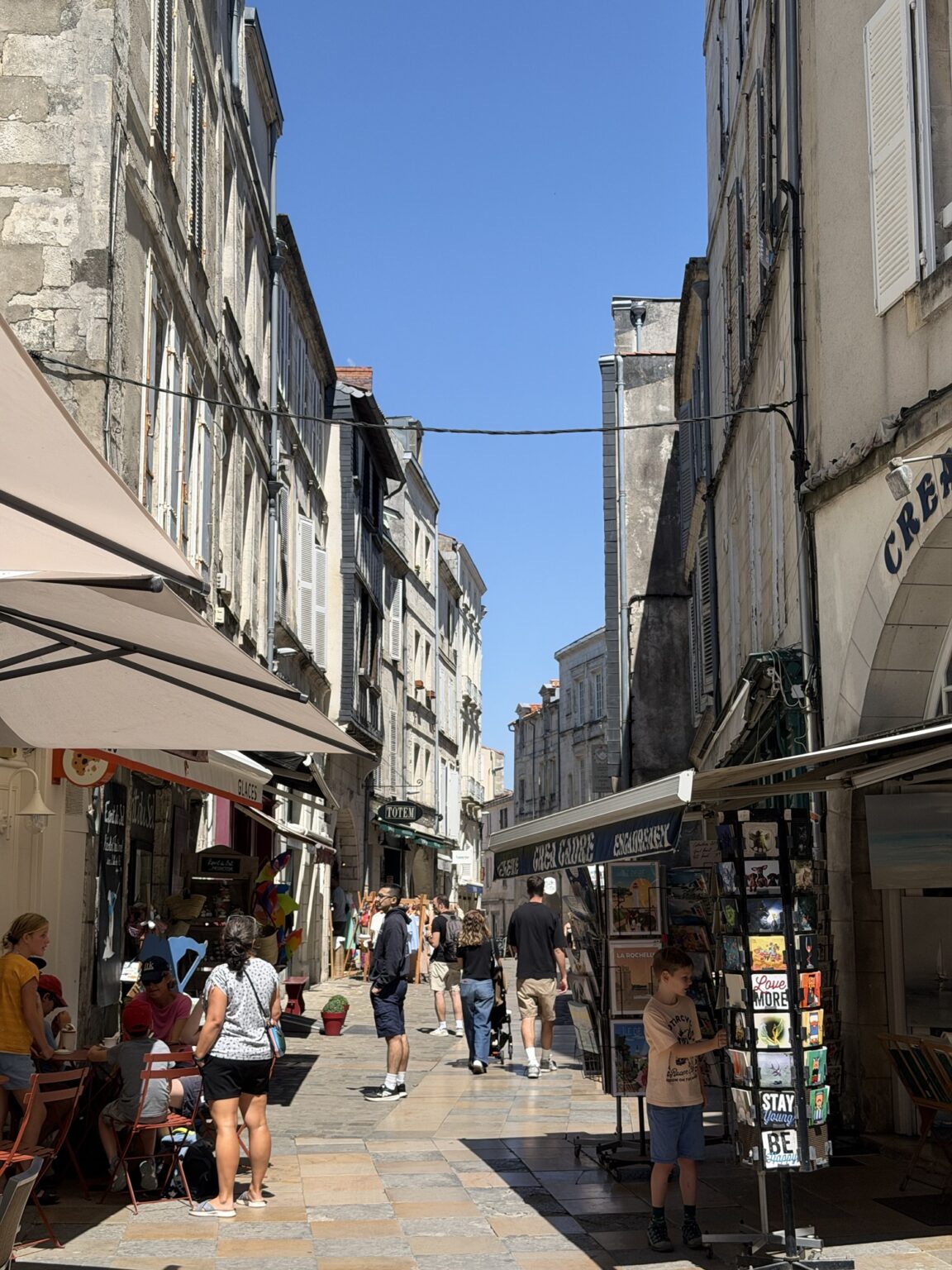
It’s pretty packed right now, perhaps attracting visitors who would otherwise have been in smoky Bordeaux or the burning Cap Ferat.
Eleanor of Aquitaine’s marriage to Henry II of England brought La Rochelle into the orbit of the Plantagenet kings and trade flourished with England and the Low Countries.
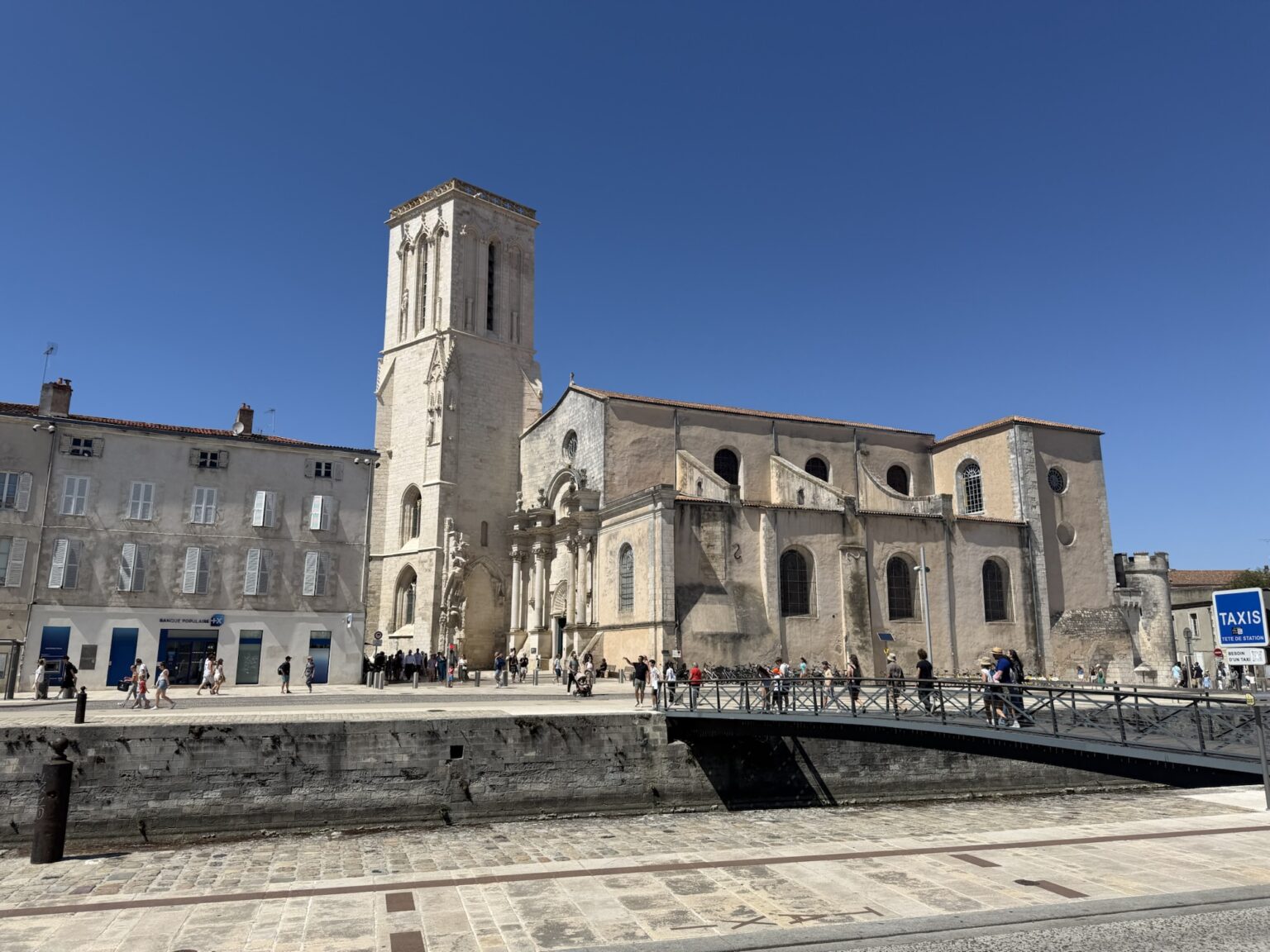
The Knights Templar had a strong presence here using La Rochelle in the 12th century as the base for their trading fleet.
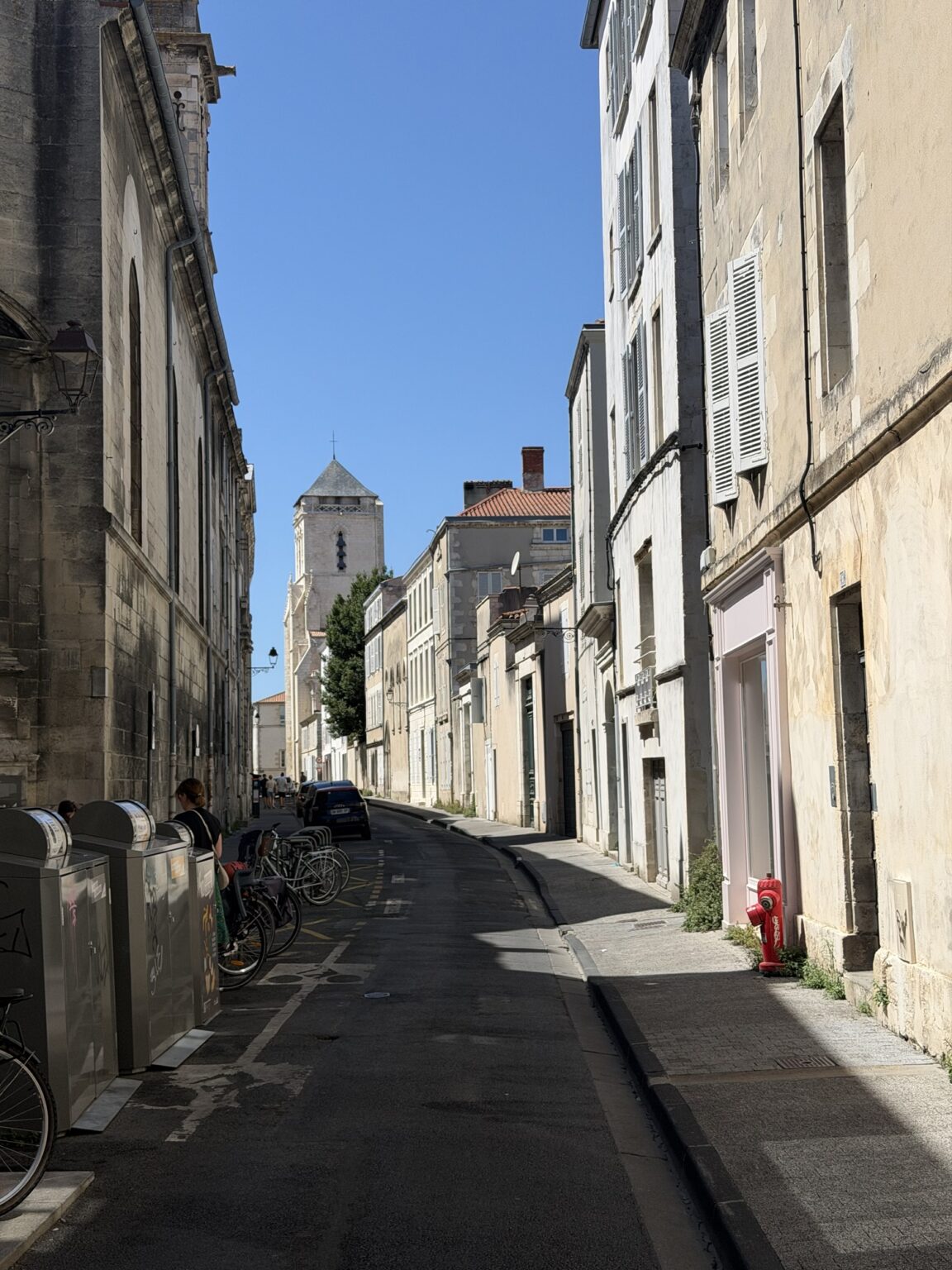
There was a lot of fighting here in the 100 years war but then boom years followed – becoming a very wealthy city on a trade of wine, salt and cheese.
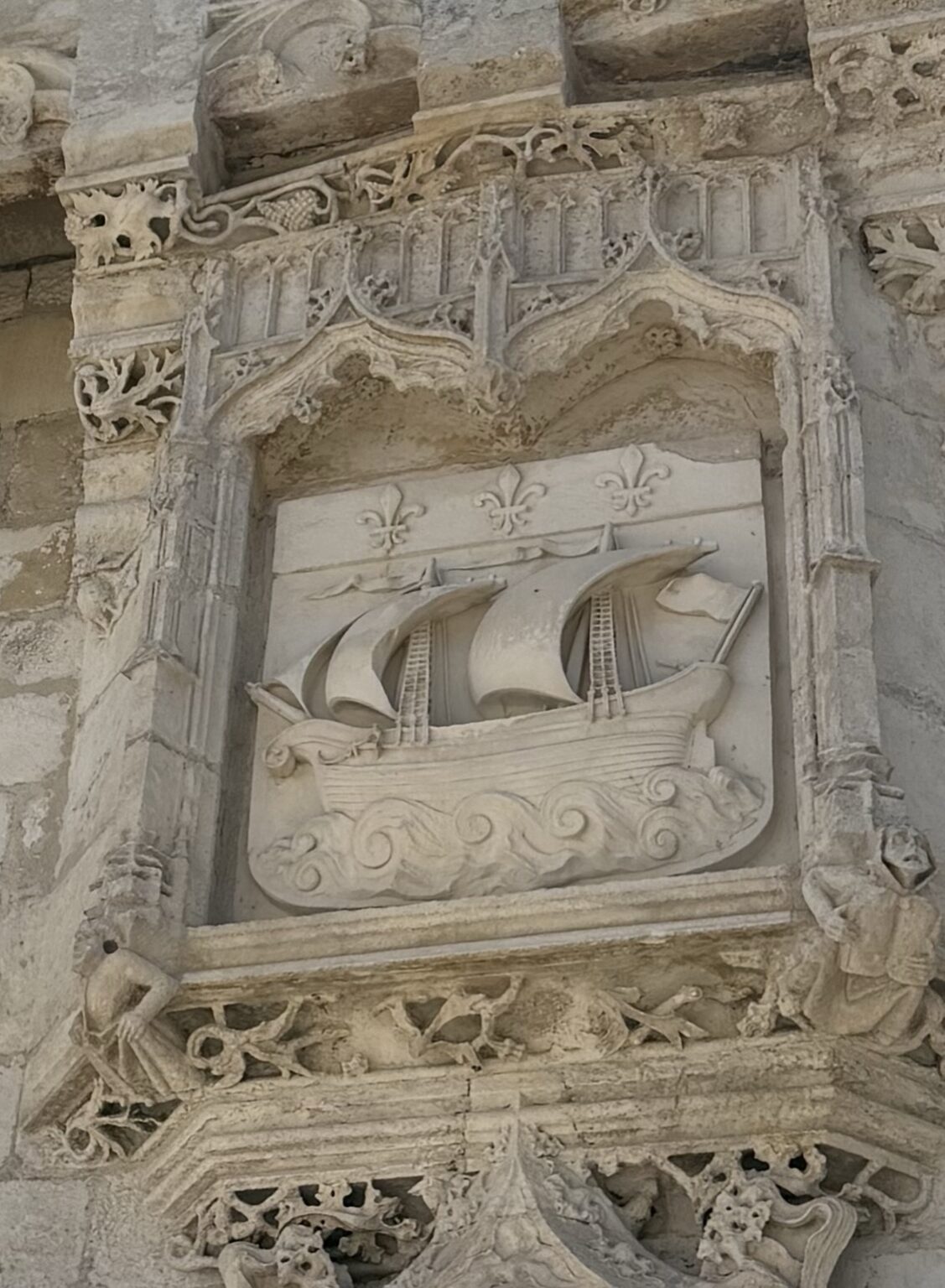
In 1402, Jean de Bethencourt set sail from here down the Moroccan coast and discovered the Canary Islands. So we are going the right way!
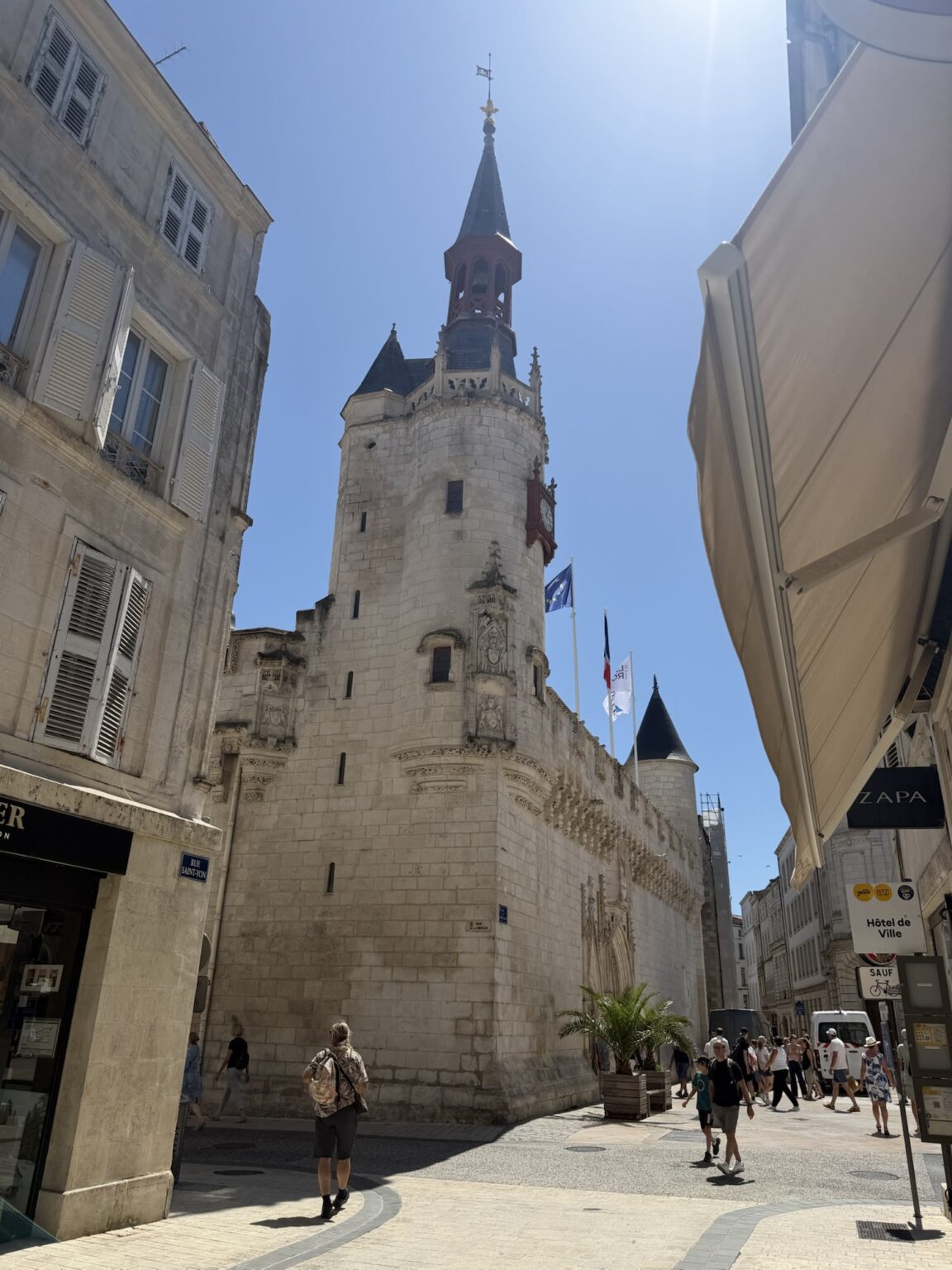
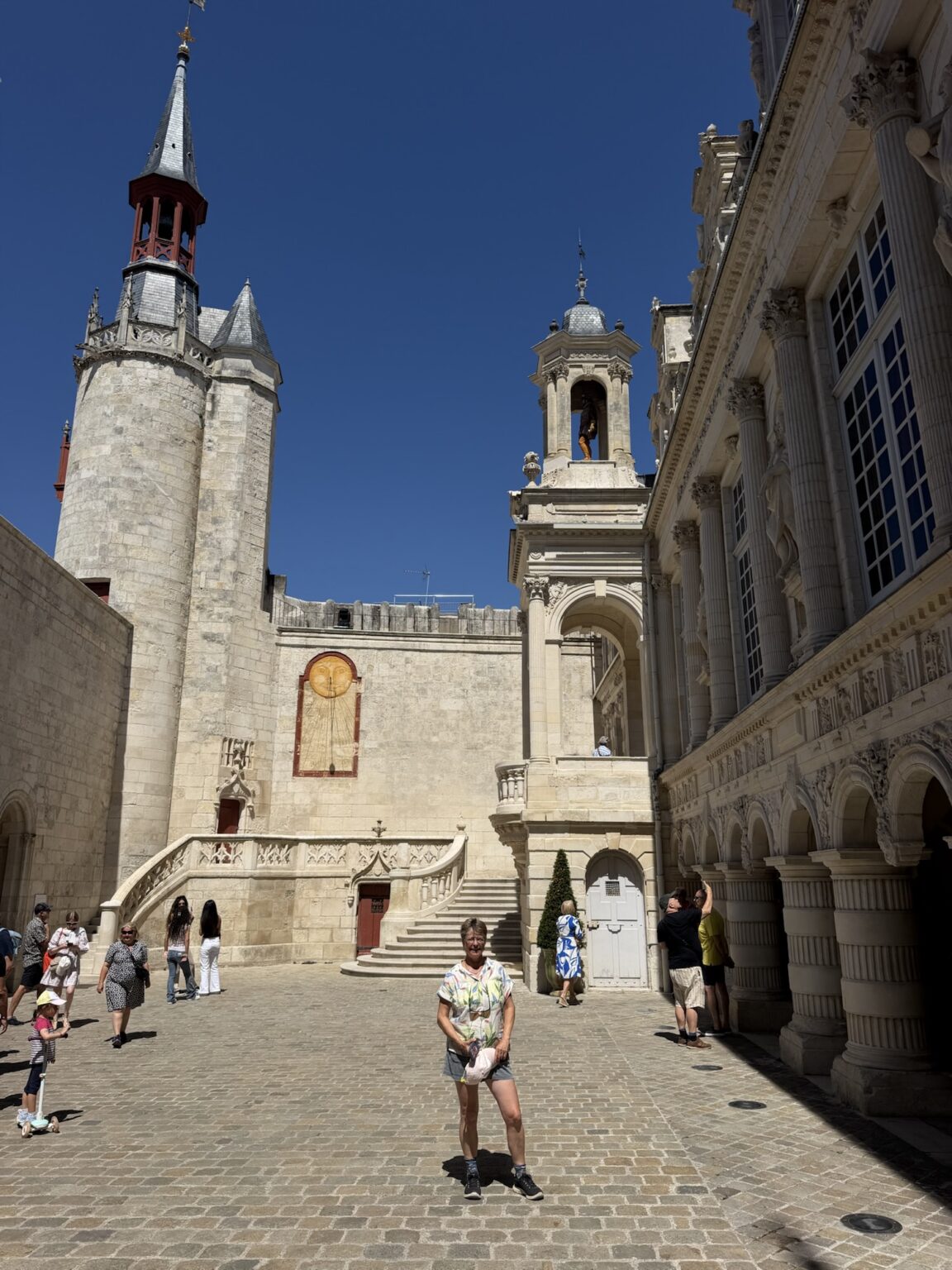
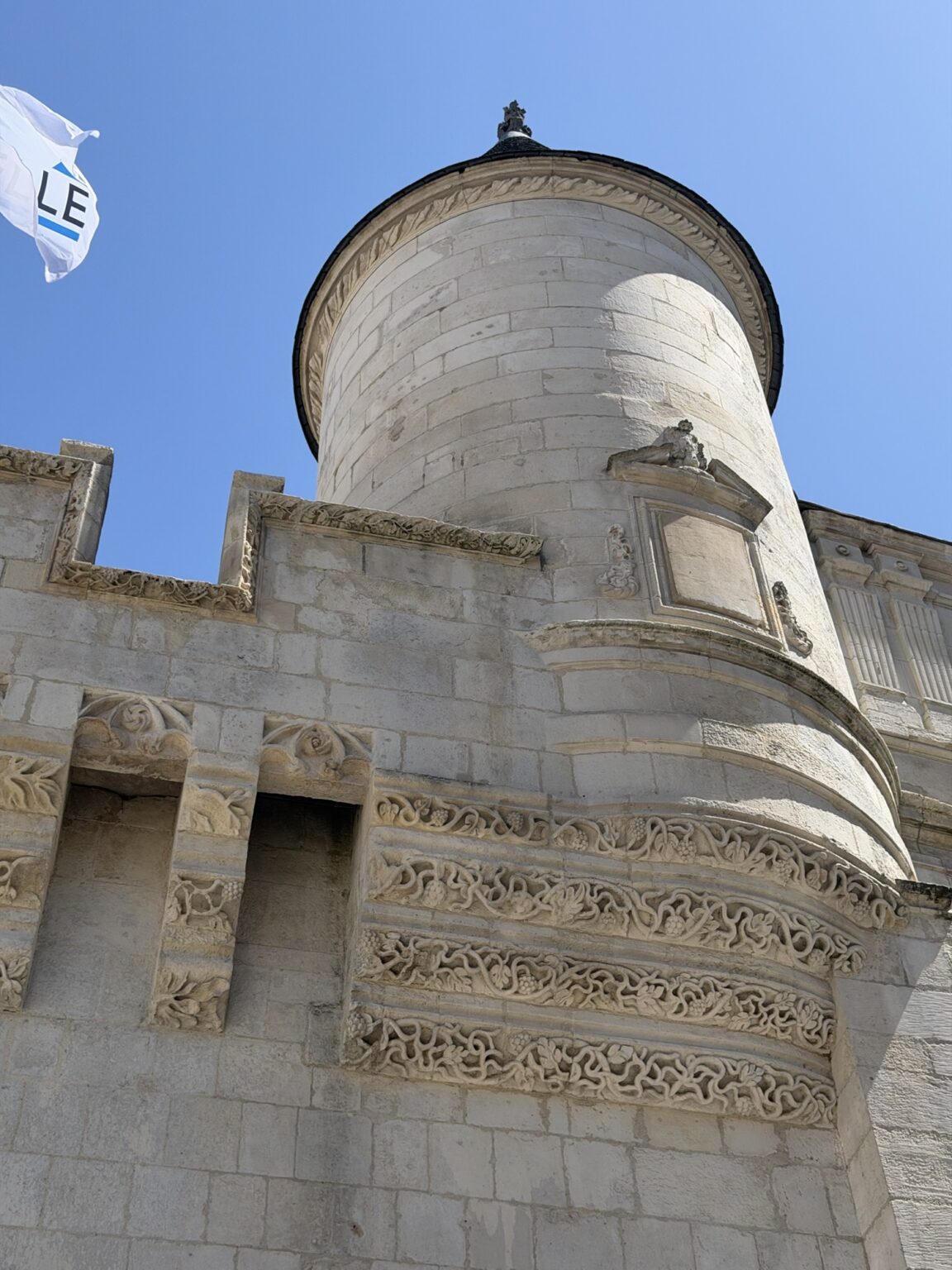
It was in this boom time that the beautiful town hall was built – it is the oldest building in France still being used for its original purpose.
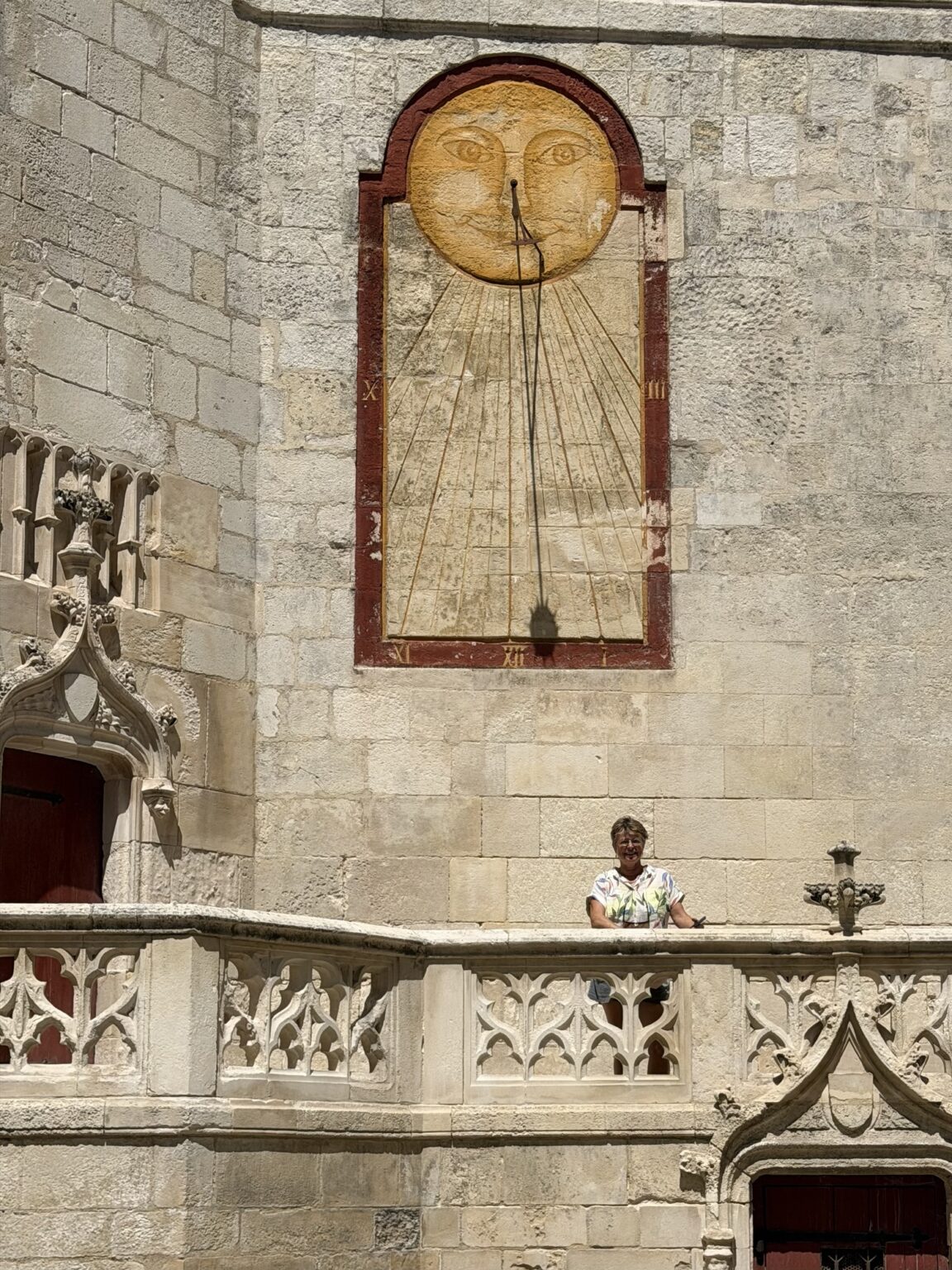
Sadly there was a major fire here in 2013 destroying much of the super-structure.
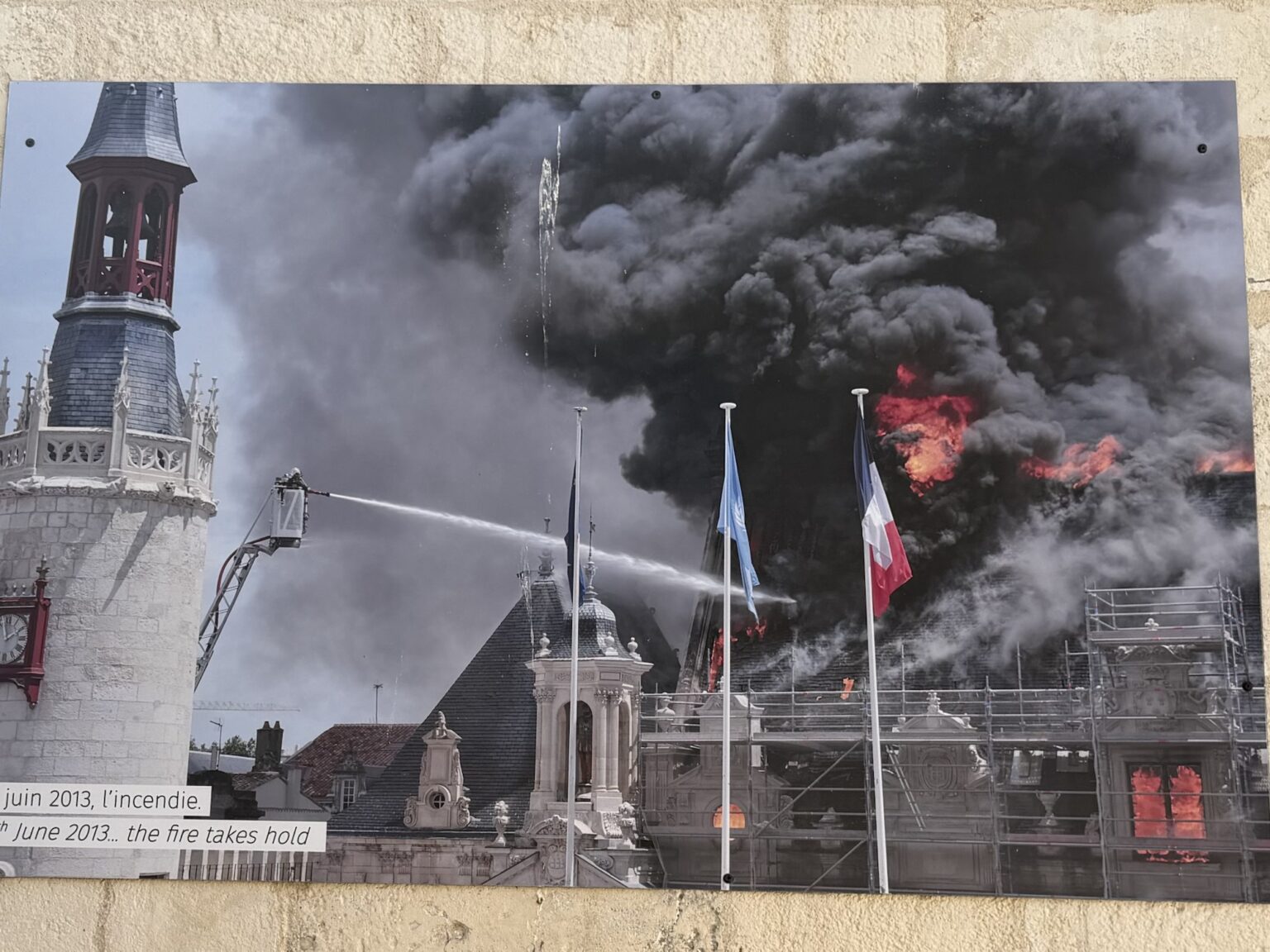
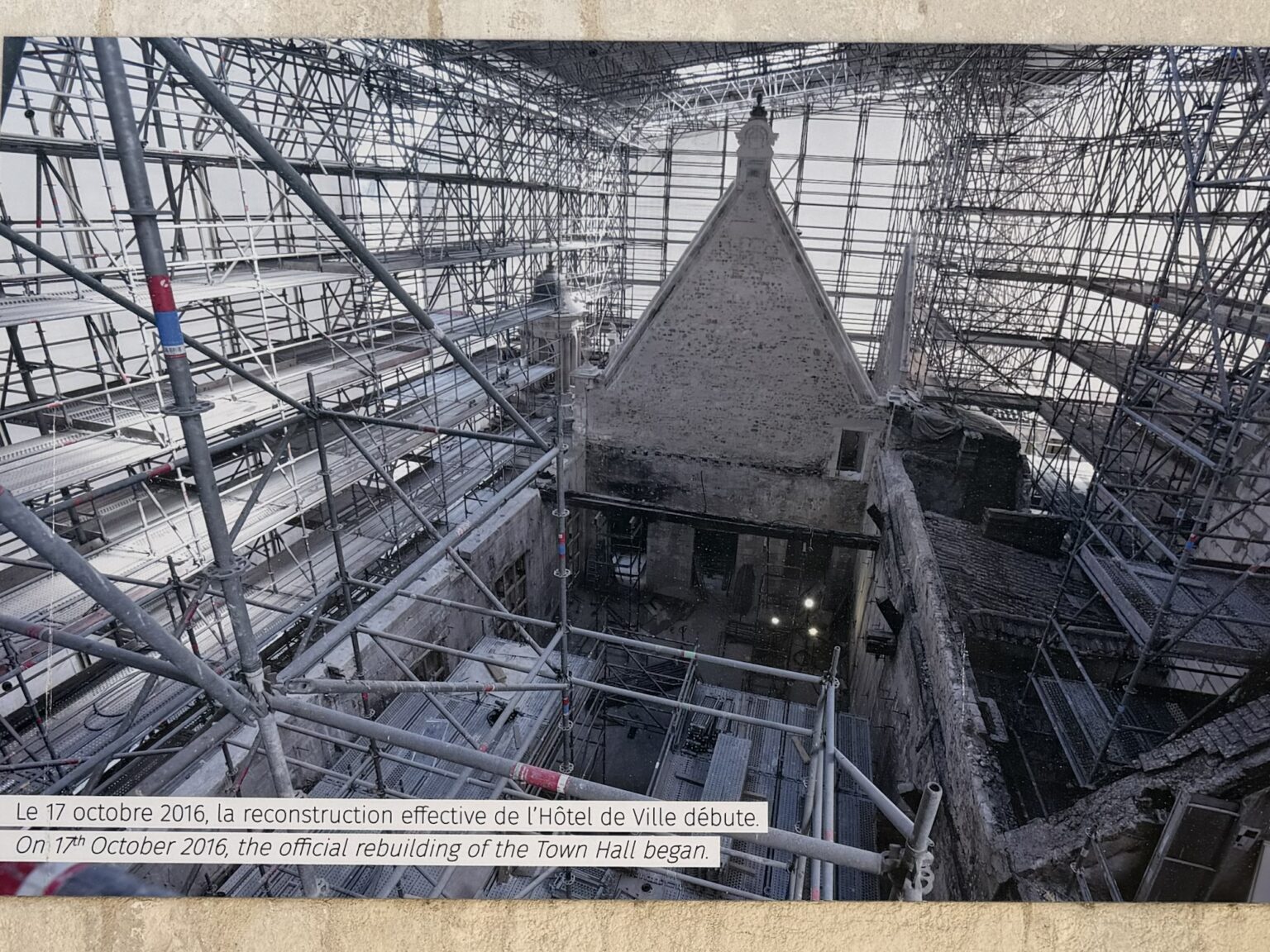
Fortunately it has been lovingly restored: – 28 crafts and trades came together to complete the restoration in 2019 – its very impressive.
Maybe thanks to her English and Dutch connections, La Rochelle was on the Protestant side during the French religious wars and became a major Huguenot centre
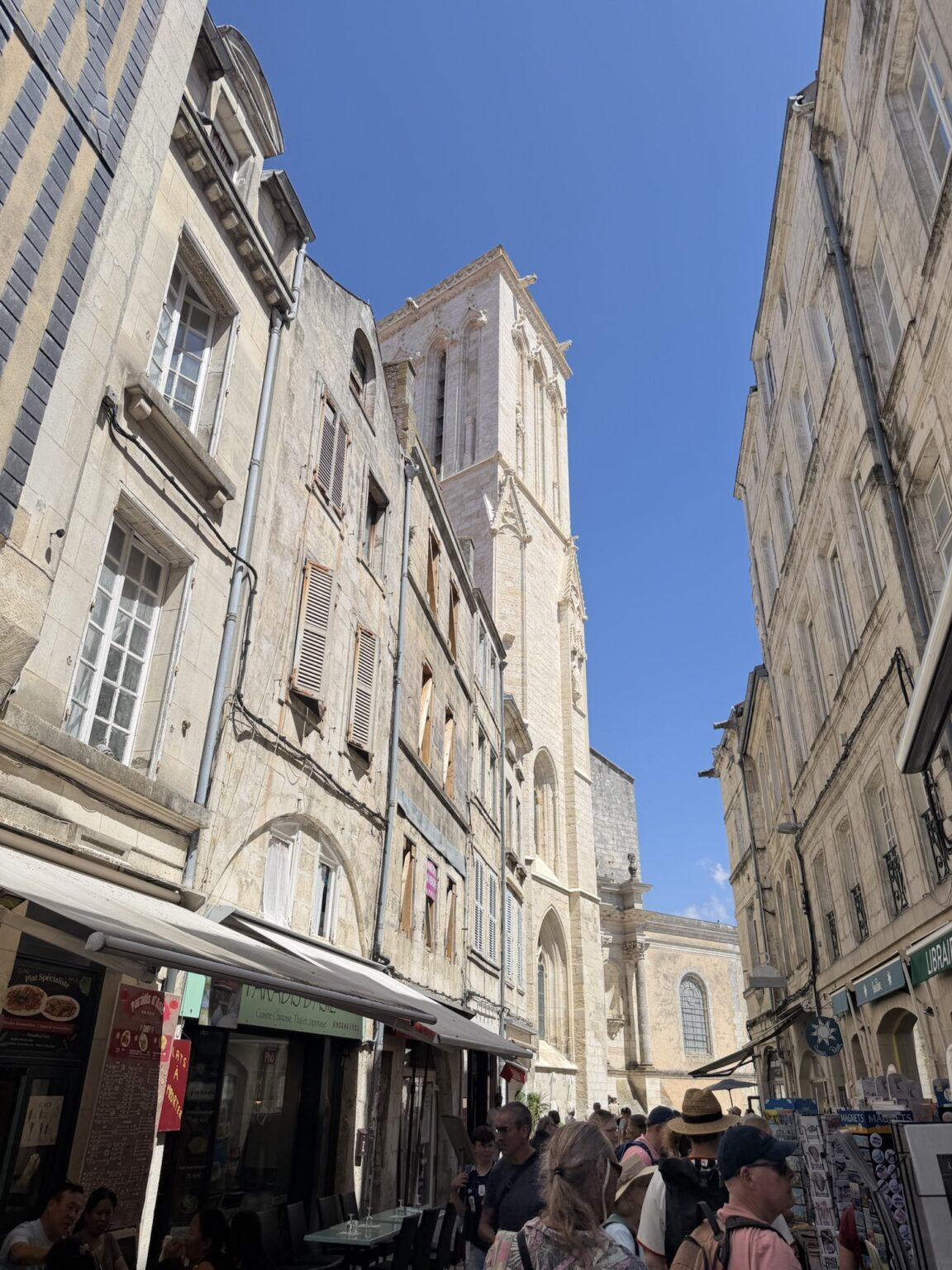
The English sided with La Rochelle and came to her aid when she was under siege by Cardinal Richelieu, but the Duke of Buckingham’s campaign was a disaster and La Rochelle fell after holding out for 14 months. This siege features in Dumas’ ‘The Three Musketeers’.
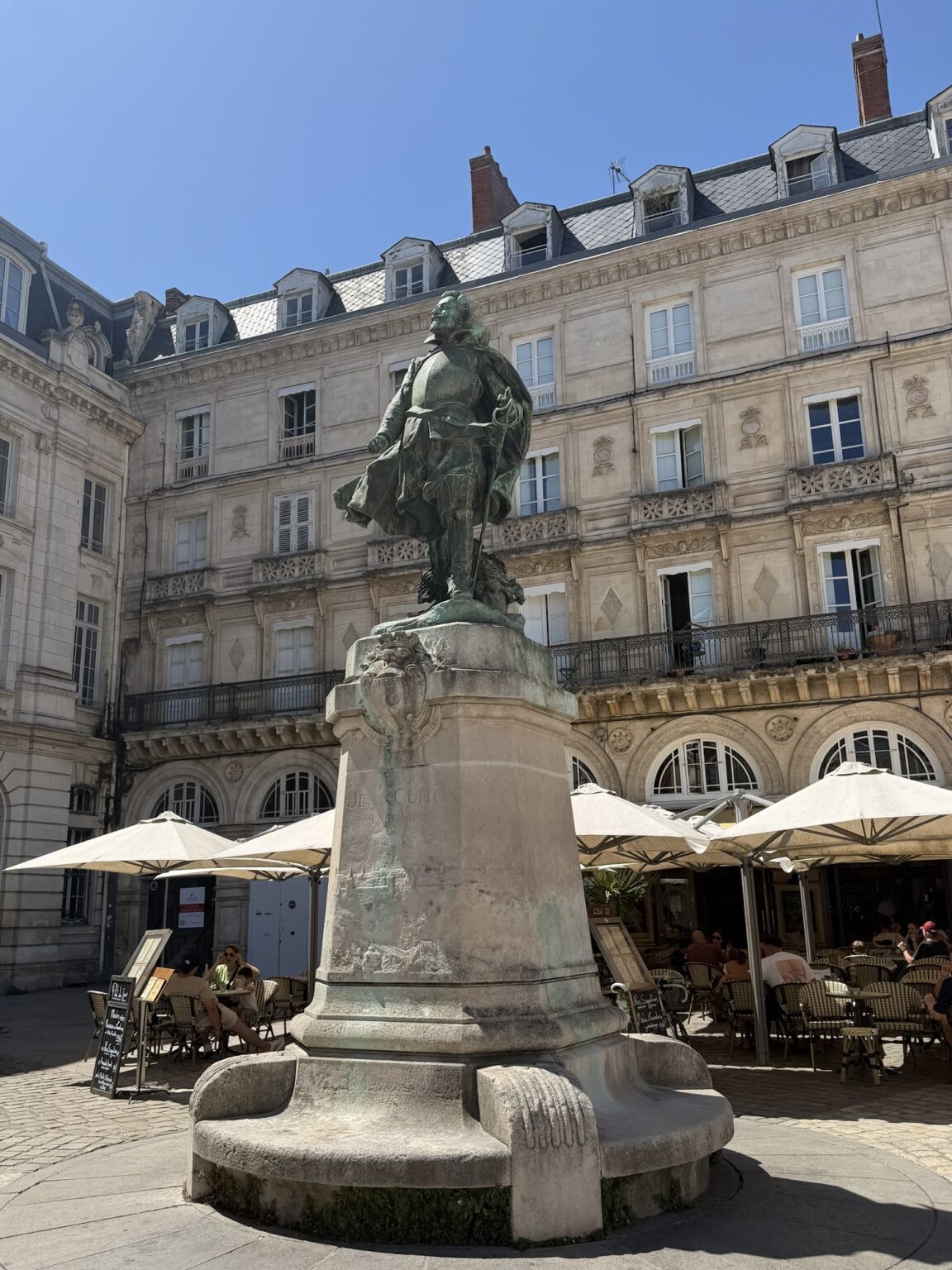
After the revocation of the edict of Nantes in 1685, many Huguenots emigrated, to England, Holland and the New World – including at New Rochelle near New York. Many also went to Quebec.
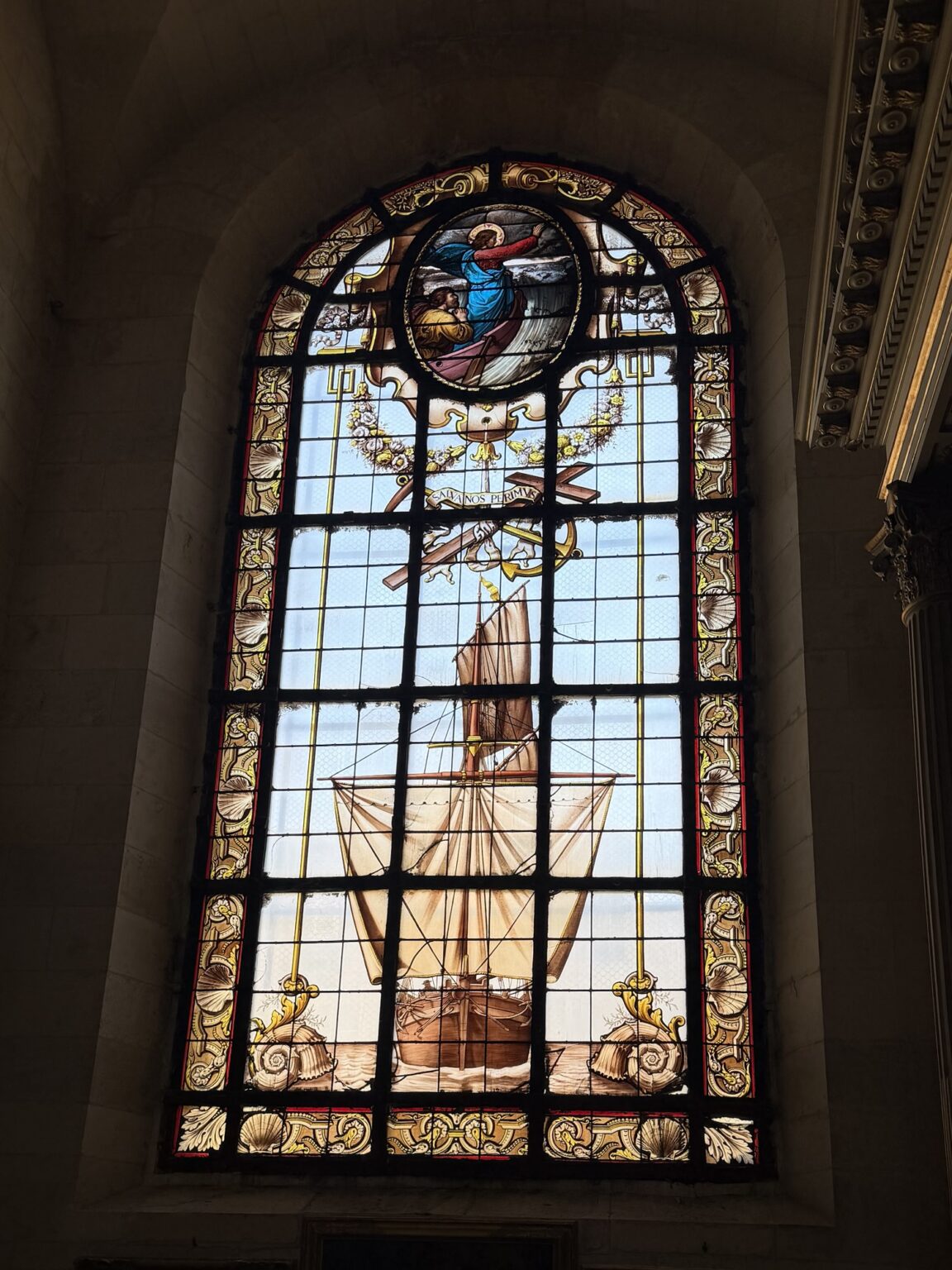
The New World connection continued as La Rochelle became an important cog in the lucrative triangular trade – the infamous Slave Trade. 1n 1793 the British, by now abolitionists, captured the last French slave ship.
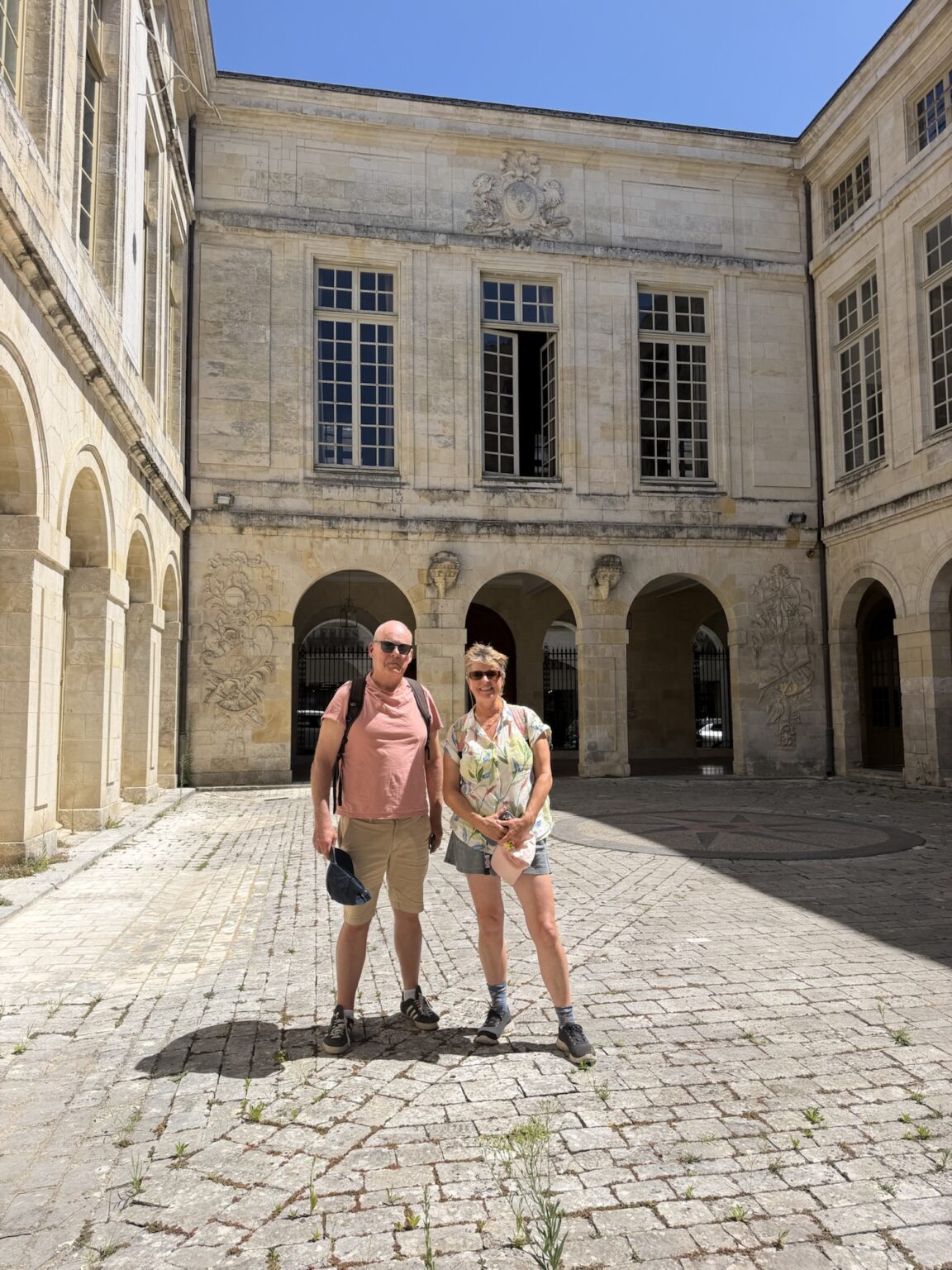
In 1864 son of the town Marie-Joseph-Camile Doré invented and dived with the first ever submarine in the harbour at La Rochelle – appropriately named ‘Plongeur’.
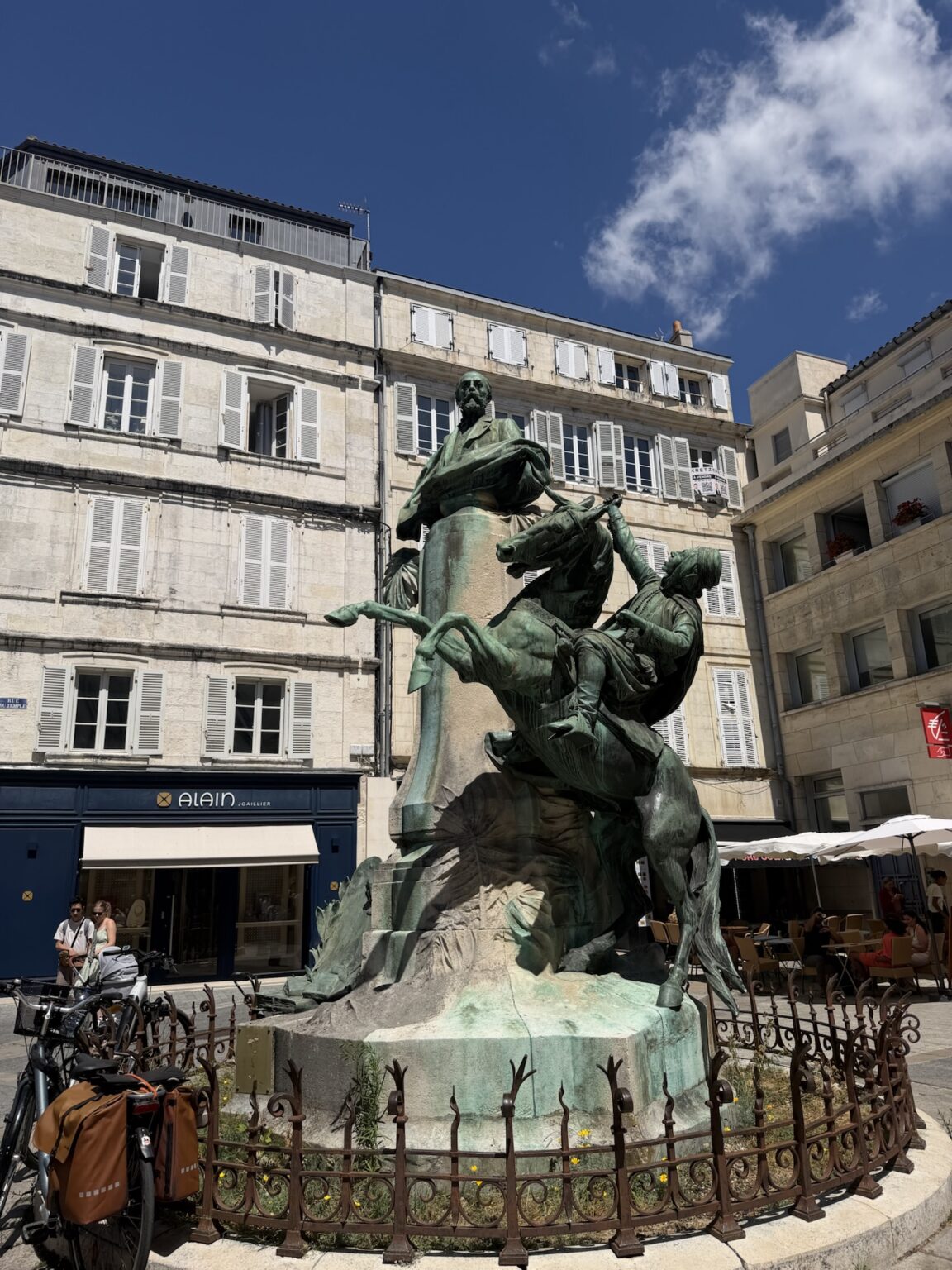
There is a fine statue to Eugene Fromentin, painter and author, who lived here in the 19th century and was one of the first to write about the Dutch masters such as Rubens. He described art as ‘the expression of the invisible by means of the visible’!
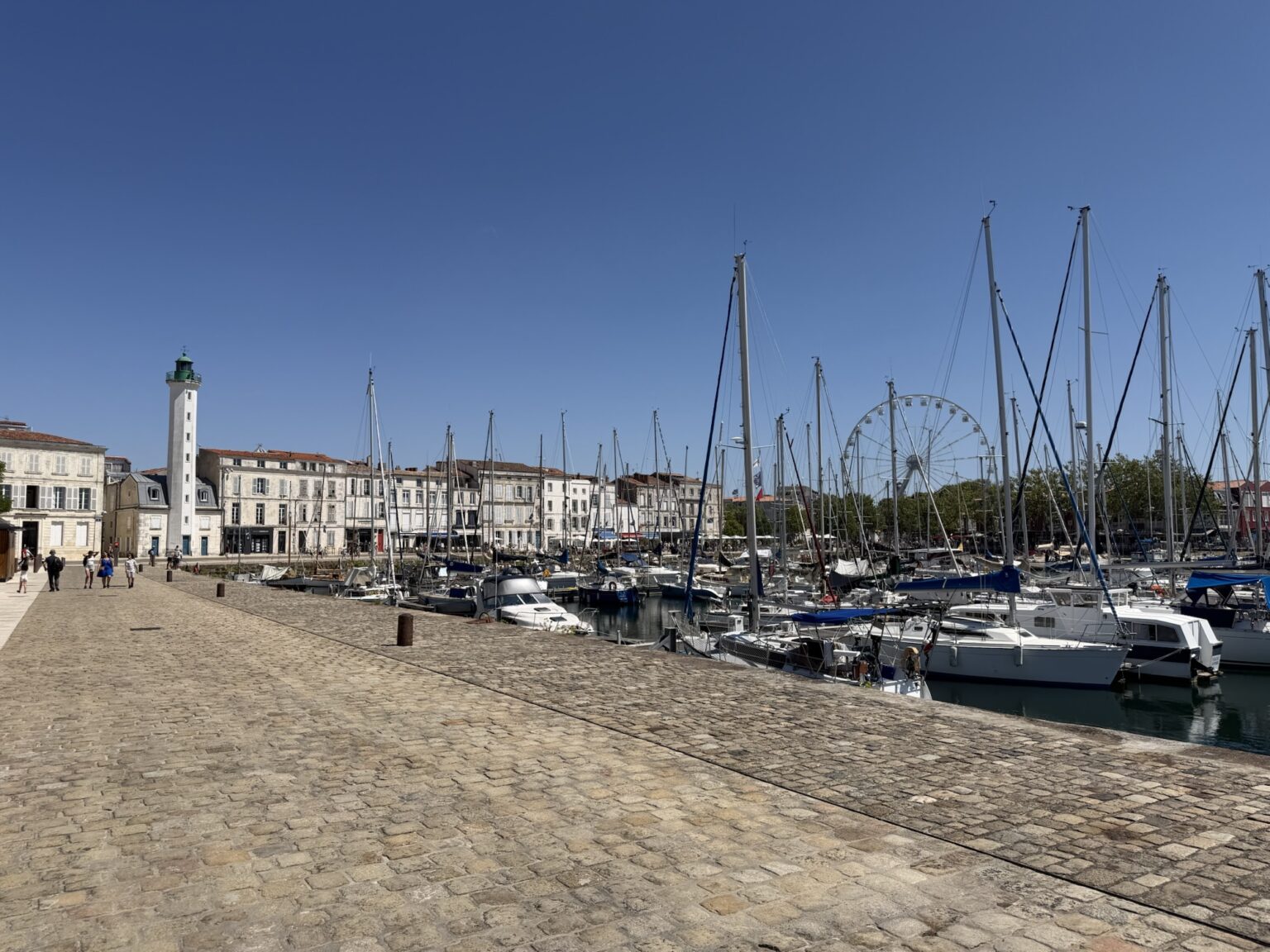
We enjoyed a good lunch and were glad of the sea bus that takes you from the marina right into the heart of the town.
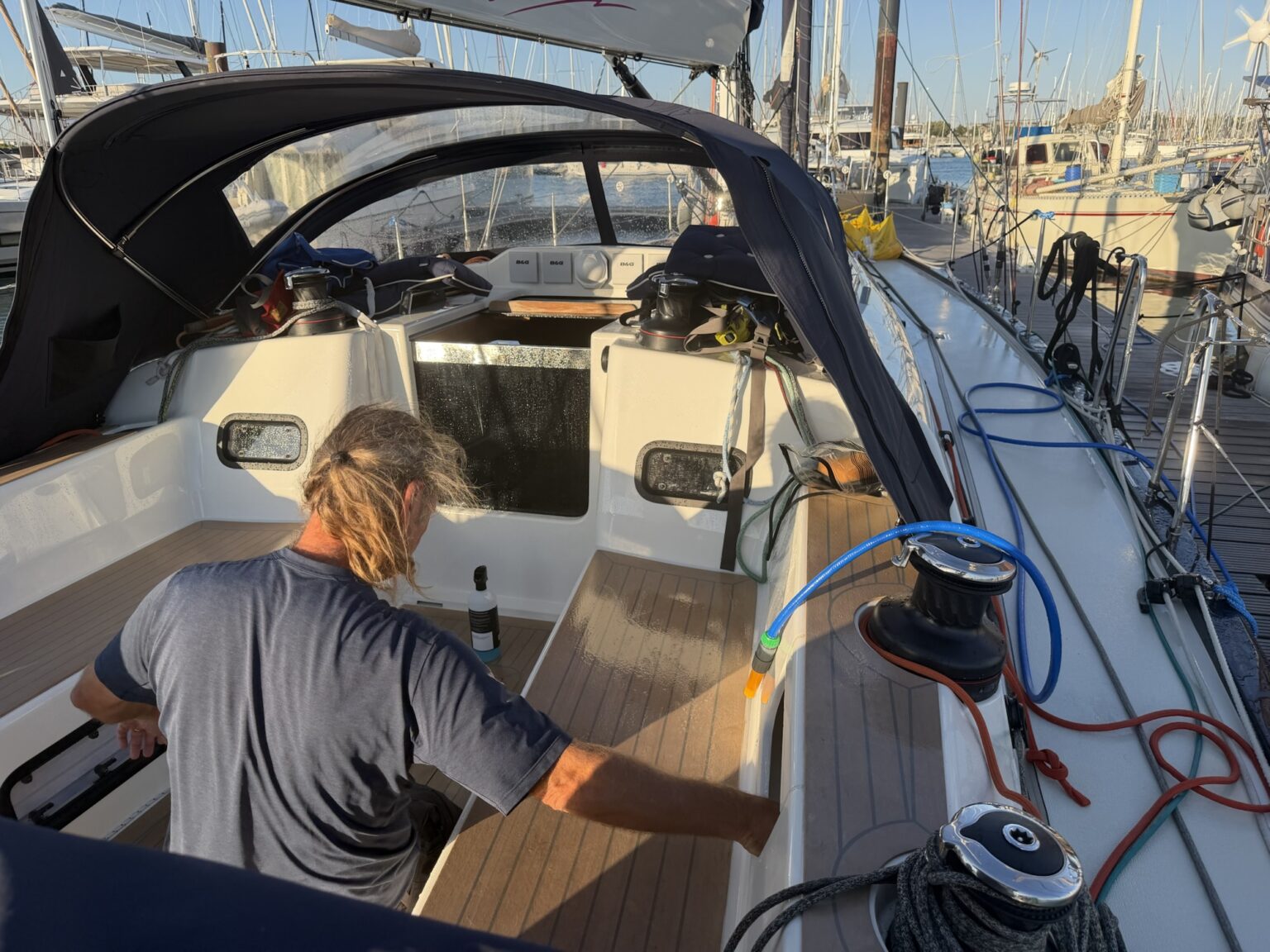
David scrubbed the decks, we have filled up with water and I’ll be making sandwiches tomorrow for our long sail to Spain.